Why a roll holds only so many frames
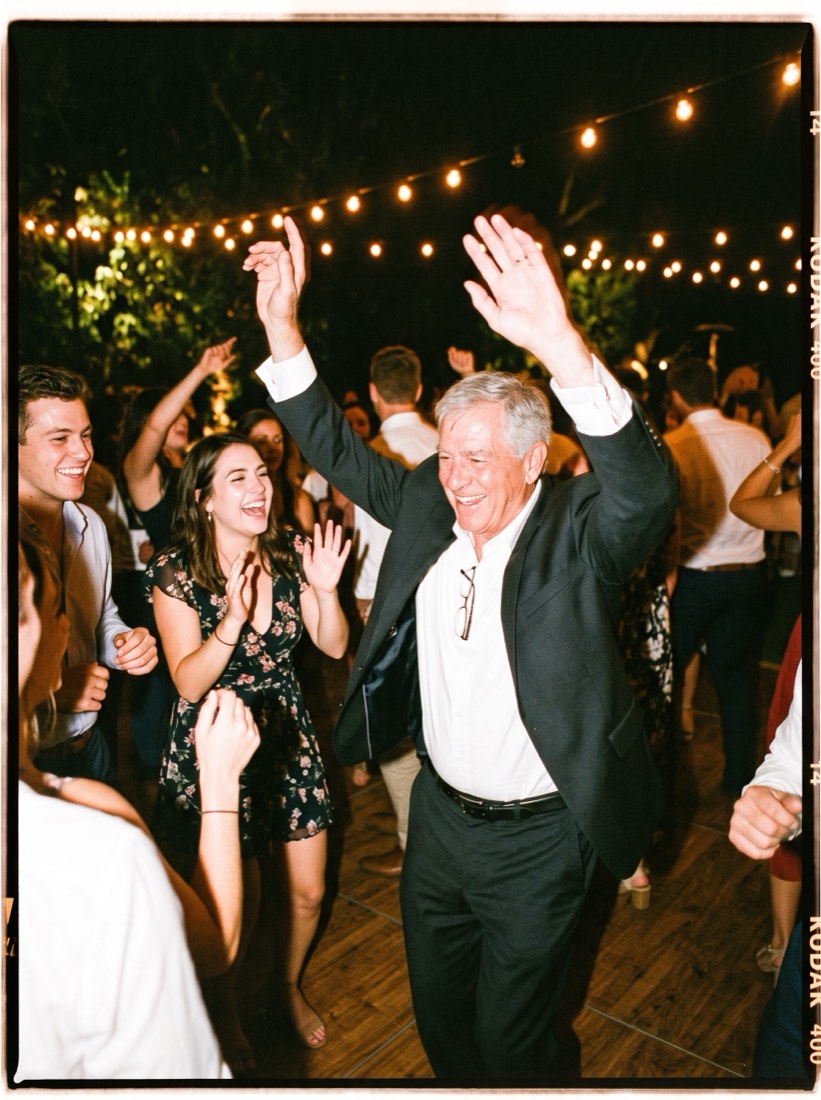
Give someone infinite film and they stop looking. They shoot the same toast four times, chimp at the screen between every frame, and end the night with three hundred near-identical photos nobody will ever scroll through.
Give them twenty-four frames and something shifts. Suddenly a photo costs something. People wait. They watch the room instead of the viewfinder. They spend a frame on the moment that actually deserves it.
A limit is not a wall. It's a filter that runs before the shutter, not after.
The camera-roll trap
Unlimited storage promised us we'd never miss a moment. What it delivered was the opposite: a graveyard of moments we captured and never returned to. The abundance made each frame worthless, so we stopped curating and started hoarding.
Film photographers never had this problem. Thirty-six exposures forced a discipline that produced better pictures, not because film is magic, but because scarcity makes you present.
What a cap does to a party
When every guest at a wedding holds a small, finite roll, three things happen. Phones go down between shots. Conversations come back. And the photos that survive are the ones people actually meant to take. The morning-after album isn't a firehose. It's a portrait of the night from every seat at the table.
That's why Roll starts you at twenty-four frames, not two thousand. The limit is the feature.